

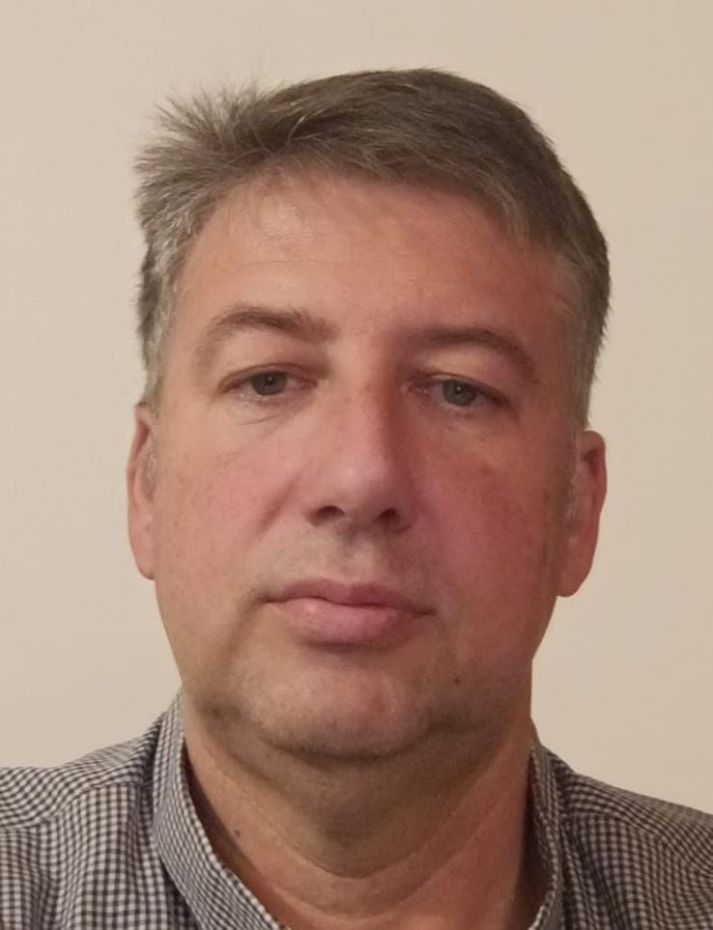
U organizaciji hrvatske sekcije IEEE, Croatia Section Chapter, PEL35, pozvani predavač dr.sc. Zorica Siniša, prof.s.s. održat će predavanje na temu „Design considerations of the multi-resonant converter as a constant current source“. Pozivamo sve zainteresirane, da prisustvuju predavanju koje će se održati 17.12.2025. u 13.30 sati. Predavanje će se održati u dvorani KOP_II _113, Kopilica 5, 21000 Split, Sveučilišni odjel za stručne studije Sveučilišta u Splitu.
Predviđeno vrijeme trajanja predavanja sa raspravom je 60 minuta
Due to its stochastic variability, renewable energy sources require long-term energy storage to stabilize unregulated energy generation. Hydrogen is a sound medium for the electrical energy storage and transfer of energy from the renewable energy sources such as wind or solar to the electrical energy consumers. The long-term energy storage can be used for energy storing during energy excess periods and for energy generating during energy shortage. To keep round-trip efficiency high in such systems, each step from hydrogen production to hydrogen usage has to be optimized. The electricity to hydrogen conversion carried out by electrolyser is the first and important step in energy storage and its efficiency should be carefully considered
Electrolyser is current driven device and volume of produced hydrogen is proportional to applied current density. To achieve optimal and efficient hydrogen production it is necessary to calculate current to feed electrolyser, and keep it constant despite to input voltage change, number of stacks, temperature, pressure or resistance change of each stack. A systematic design procedure of high frequency DC-DC multi-resonant converter as a constant current source optimized for interfacing electrolyser stack to DC voltage source is presented. The multi resonant converter can operate in four different modes of operation. Each mode of operation represents a specific four-stage sequence characterized by resonating specific part of multi element resonant network. Advantage of this type converter is that all major parasitic reactances are included in resonant processes. The converter performs Zero Voltage Switching and Zero Current Switching on all switching components depending on the operation mode. The favourable switching conditions are not achievable throughout whole operating range. The optimal switching region in DC conversion ratio characteristics is calculated and emphasized. Presented design is based on mapping of desired converter operating area in DC conversion ratio characteristic and calculation of component values using parameters that derive from the selected operating area. The zero voltage switching is achieved both for the power switches and rectifier diodes throughout load range.